
Your Body Has 3 Engines—Learn to Turn the Right Ones On
I want you to follow this article while keeping these three people in your mind:
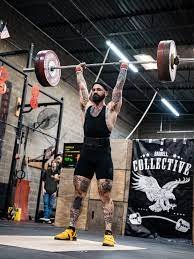
1) This is our guy Peter. Peter is an Olympic weightlifter. The first thing he does when he gets to the gym is that he grabs a box to sit on between sets.

2) This is Chad. Chad is a long-duration cyclist. His goal is to win the Transcontinental Race. He comes to the gym for some accessory strength and rehab work, but also to cycle when the weather outside is bad.

3) This is Ashley. Ashley is a CrossFitter. She often gets mad at Peter for taking the box only to sit on it and at Chad for taking the bike for three hours because she needs these to perform 20 burpees over the box in combination with 30-second bike sprints for as many rounds as possible.
Now you may intuitively think that each of these people always does a different type of exercise than the other, and it is therefore their choice of exercise that causes them to be so different. While this is valid (e.g., a cyclist won't do a lot of upper body work like a weightlifter, who again won't do bench press like a crossfitter), there is a much MORE IMPORTANT determinant setting the root for their differences: Which energy system does each of them primarily use in their training?

Our body has 3 engines, and the fuel for them are macronutrients (carbs, fats, and proteins, hierarchized based on priority) and phosphocreatine. These molecules contain chemical bonds that, when broken, release energy, which is then packed into biological batteries known as ATP. Since each engine has its own way of breaking these bonds, they differ from one another by the amount of ATP each can produce and how fast it can produce it. In this article I won't get into the mechanism of each one, but will just give an overview of the final result of each.
-
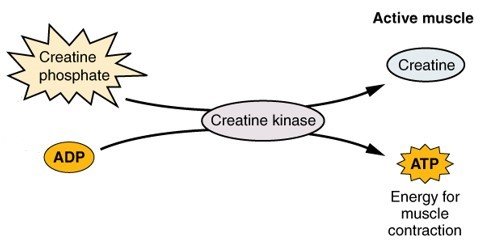
PHOSPHAGEN ENGINE – produces ATP by far the quickest of all engines, but shuts down quickly due to low phosphocreatine content and can produce only 1 ATP per each molecule of phosphocreatine
-
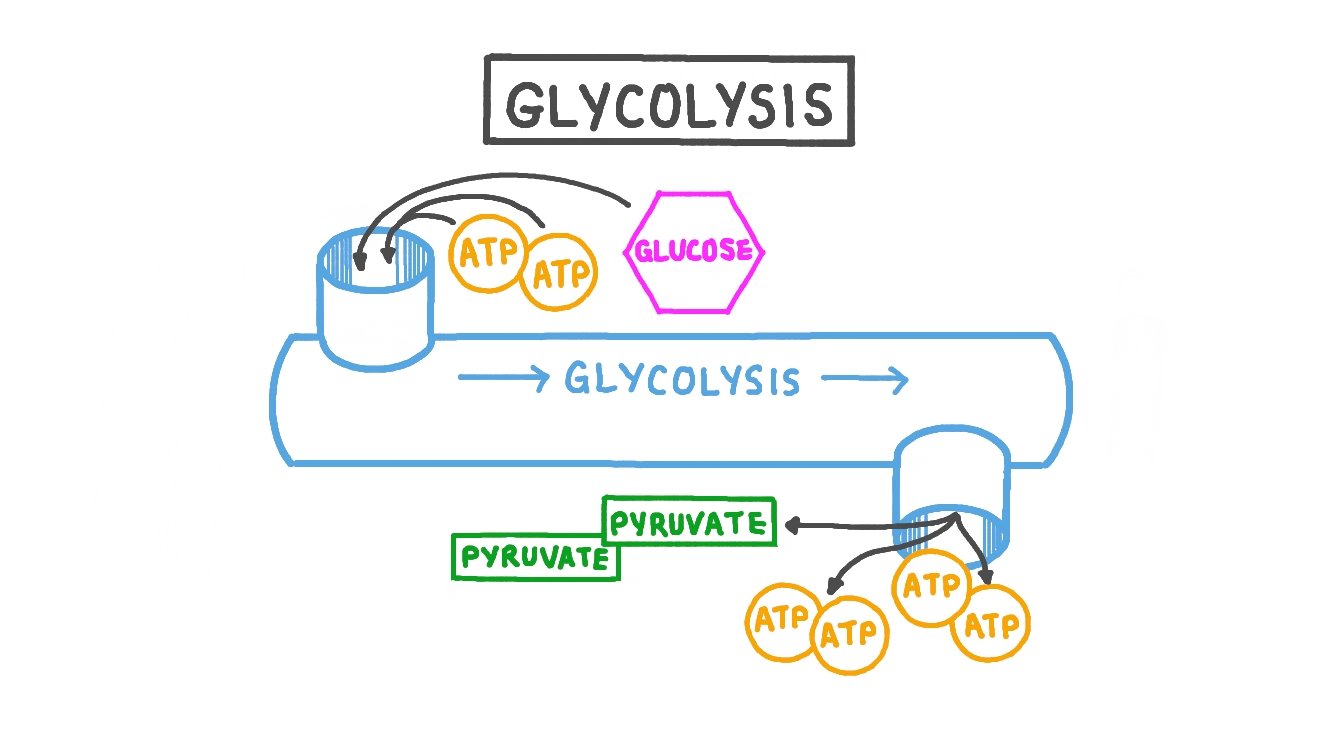
GLYCOLYTIC ENGINE – produces ATP fairly quickly, but can produce only 4 ATPs per each molecule of glucose
-
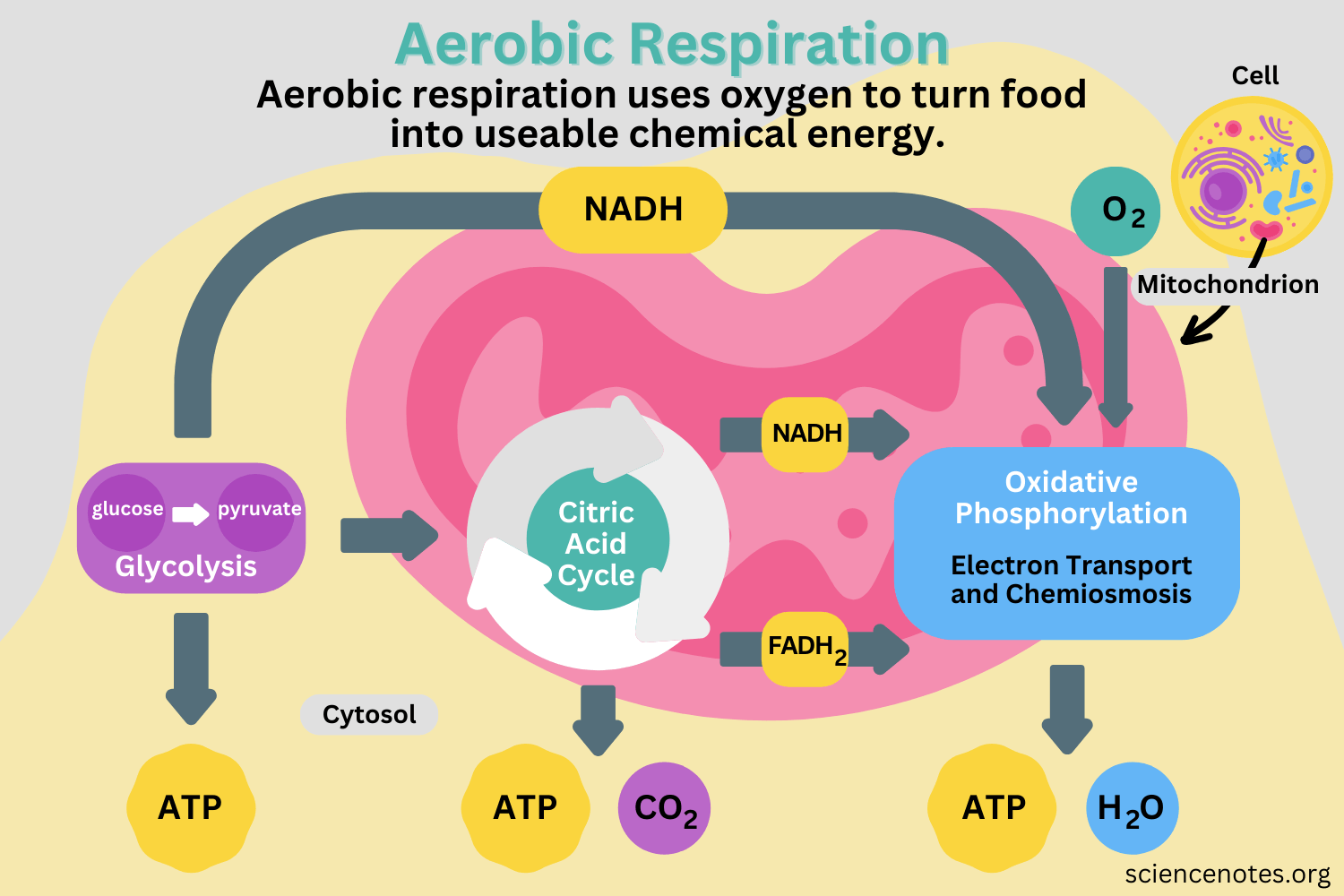
AEROBIC ENGINE – slow at producing ATP but can produce 30+ ATPs per molecule of glucose and 100+ ATPs per molecule of fatty acid
It is important to note that all of the cells in the body produce ATP and all 3 of these engines are activated simultaneously while you are alive. We're here talking about how does relative contribution of each one change in muscle cells with changing movement intensity.
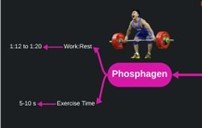
Peter's training consists of very quick, max-effort movements. He needs rapidly available ATP for a short period of time. Therefore, the primary engine Peter needs to turn on is phosphagen engine.
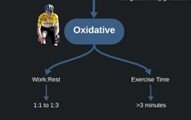
Chad's training consists of low-effort movement that last for a long period of time without a recovery brake. He needs slow and sustained ATP. Therefore, the primary engine Chad needs to turn on is aerobic engine.
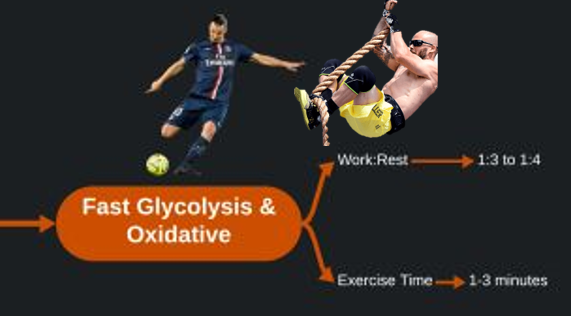
Ashley's training consist of high-effort moderate-duration movements. She needs her ATP quickly but consistently. Therefore, Ashley needs to turn on both the glycolytic and aerobic engines.
Turn On, Train and Nurish the Right Engine
Since exercise intensity determines which engine will be our primary supplier, it seems that we intuitively keep the right one working, but it's not always like that. Let's make it crystal clear:
- Phosphagen engine will always turn on first no matter what we do, but only at maximal efforts will it keep working, and will only last for 5-15 seconds. – Think snatch, clean & jerk, squats, deadlifts – all in the range from 1 rep max to 5 rep max, or max effort jumps, throws, rebounds… The intent to produce max force and max velocity will keep phosphagen engine working
- Glycolytic engine will turn on if the effort is high but submaximal, and it will keep working to sustain that high effort for 30 seconds to 1,5 minutes. – Think high-intensity intervals (HIT) or bodybuilding-style workouts. They range from 8-30 reps and are separated by short recovery brakes.
- Aerobic engine will turn on if the effort is low, but will inevitably have to take over after 1,5 minutes of the activity has passed. It will keep working to sustain that effort for as long as activity lasts – this engine works as a primary engine for long light activities such as cycling or jogging, but also for crossfit style / circular workouts which last longer than 1,5 minutes.
- ➤To keep the engine best suited for the activity wokring you'll need to choose the right intent (effort) with which you move, exercise duration (reps) and the number and length of recovery periods
- ➤Training protocols should be design to elicit positive adaptations primarily in the engine you need. This means that doing aerobic training is uneccessary for completely anaerobic athletes (weightlifters, powerlifters, bodybuilders) and can in fact potentially have negative impacts on performance
- ➤If you want to learn specific protocols on how to nurish each engine with diet and suplementation check out this article
Your Body Has 3 Engines—Learn to Turn the Right Ones On
I want you to follow this article while keeping these three people in your mind:
1) This is our guy Peter. Peter is an Olympic weightlifter. The first thing he does when he gets to the gym is that he grabs a box to sit on between sets.
2) This is Chad. Chad is a long-duration cyclist. His goal is to win the Transcontinental Race. He comes to the gym for some accessory strength and rehab work, but also to cycle when the weather outside is bad.
3) This is Ashley. Ashley is a CrossFitter. She often gets mad at Peter for taking the box only to sit on it and at Chad for taking the bike for three hours because she needs these to perform 20 burpees over the box in combination with 30-second bike sprints for as many rounds as possible.
Now you may intuitively think that each of these people always does a different type of exercise than the other, and it is therefore their choice of exercise that causes them to be so different. While this is valid (e.g., a cyclist won't do a lot of upper body work like a weightlifter, who again won't do bench press like a crossfitter), there is a much MORE IMPORTANT determinant setting the root for their differences: Which energy system does each of them primarily use in their training?
Our body has 3 engines, and the fuel for them are macronutrients (carbs, fats, and proteins, hierarchized based on priority) and phosphocreatine. These molecules contain chemical bonds that, when broken, release energy, which is then packed into biological batteries known as ATP. Since each engine has its own way of breaking these bonds, they differ from one another by the amount of ATP each can produce and how fast it can produce it. In this article I won't get into the mechanism of each one, but will just give an overview of the final result of each.
-
PHOSPHAGEN ENGINE – produces ATP by far the quickest of all engines, but shuts down quickly due to low phosphocreatine content and can produce only 1 ATP per each molecule of phosphocreatine
-
GLYCOLYTIC ENGINE – produces ATP fairly quickly, but can produce only 4 ATPs per each molecule of glucose
-
AEROBIC ENGINE – slow at producing ATP but can produce 30+ ATPs per molecule of glucose and 100+ ATPs per molecule of fatty acid
It is important to note that all of the cells in the body produce ATP and all 3 of these engines are activated simultaneously while you are alive. We're here talking about how does relative contribution of each one change in muscle cells with changing movement intensity.
Peter's training consists of very quick, max-effort movements. He needs rapidly available ATP for a short period of time. Therefore, the primary engine Peter needs to turn on is phosphagen engine.
Chad's training consists of low-effort movement that last for a long period of time without a recovery brake. He needs slow and sustained ATP. Therefore, the primary engine Chad needs to turn on is aerobic engine.
Ashley's training consist of high-effort moderate-duration movements. She needs her ATP quickly but consistently. Therefore, Ashley needs to turn on both the glycolytic and aerobic engines.
Turn On, Train and Nurish the Right Engine
Since exercise intensity determines which engine will be our primary supplier, it seems that we intuitively keep the right one working, but it's not always like that. Let's make it crystal clear:
- Phosphagen engine will always turn on first no matter what we do, but only at maximal efforts will it keep working, and will only last for 5-15 seconds. – Think snatch, clean & jerk, squats, deadlifts – all in the range from 1 rep max to 5 rep max, or max effort jumps, throws, rebounds… The intent to produce max force and max velocity will keep phosphagen engine working
- Glycolytic engine will turn on if the effort is high but submaximal, and it will keep working to sustain that high effort for 30 seconds to 1,5 minutes. – Think high-intensity intervals (HIT) or bodybuilding-style workouts. They range from 8-30 reps and are separated by short recovery brakes.
- Aerobic engine will turn on if the effort is low, but will inevitably have to take over after 1,5 minutes of the activity has passed. It will keep working to sustain that effort for as long as activity lasts – this engine works as a primary engine for long light activities such as cycling or jogging, but also for crossfit style / circular workouts which last longer than 1,5 minutes.
- ➤To keep the engine best suited for the activity wokring you'll need to choose the right intent (effort) with which you move, exercise duration (reps) and the number and length of recovery periods
- ➤Training protocols should be design to elicit positive adaptations primarily in the engine you need. This means that doing aerobic training is uneccessary for completely anaerobic athletes (weightlifters, powerlifters, bodybuilders) and can in fact potentially have negative impacts on performance
- ➤If you want to learn specific protocols on how to nurish each engine with diet and suplementation check out this article