
Why muscle fibers aren’t just “slow” or “fast” — the continuum every athlete should know about
Chances are you’ve come across terms like “fast twitch” and “slow twitch” muscle fibers. However, reality is much less black and white.

Skeletal muscles are nothing other than a bundle of long thin cells that look like fibers – like a rope made of individual strings.
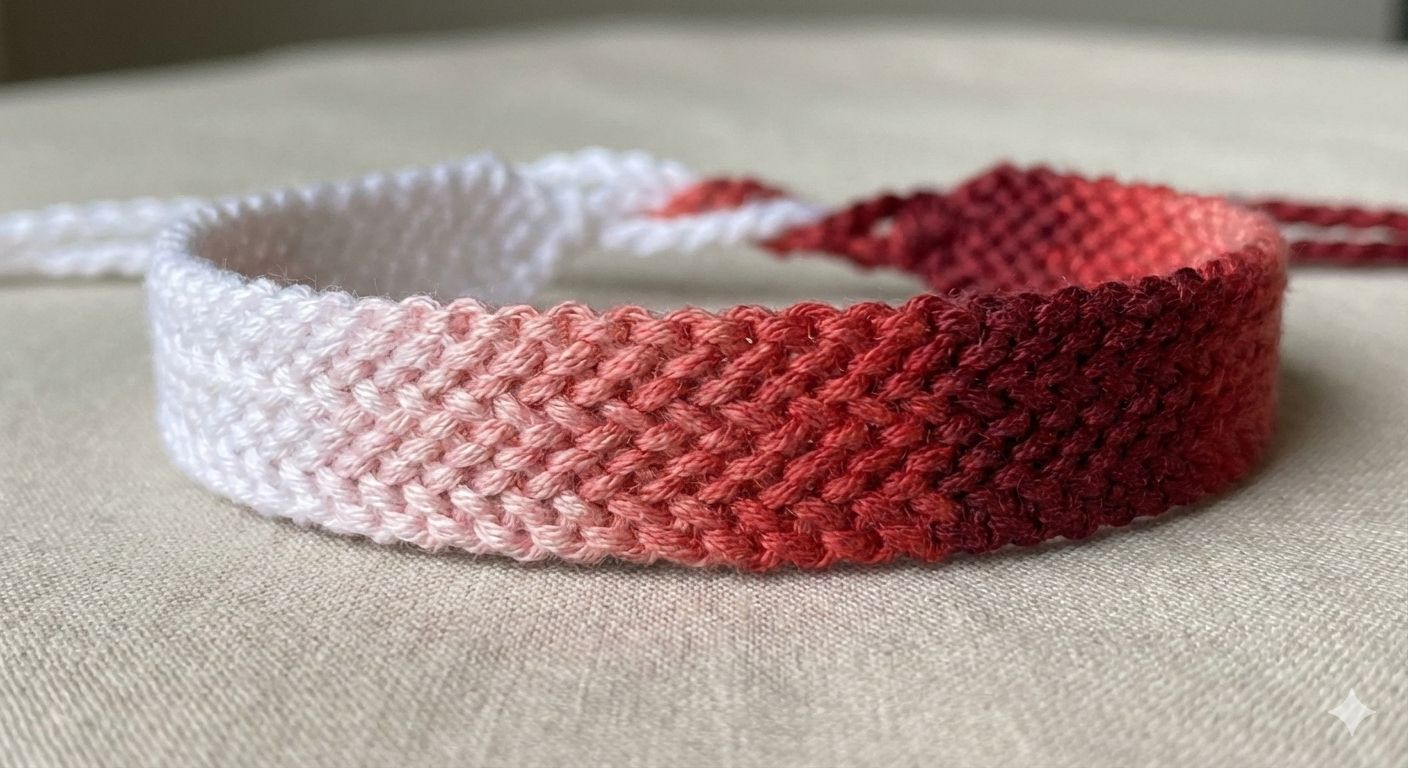
Unlike a standard rope, the strings that make up a muscle aren't identical. Imagine your muscle as a gradient friendship bracelet, transitioning smoothly from white to deep red.
Tying to categorize these strings into only 2 or 3 categories is incorrect and it deprives us of two things:
1) The ability to specify training design to the needs of each individual sport.
2) The ability to recognize each person's potential for adaptations specific to their role in that sport.
The Science: It’s All About the Enzyme
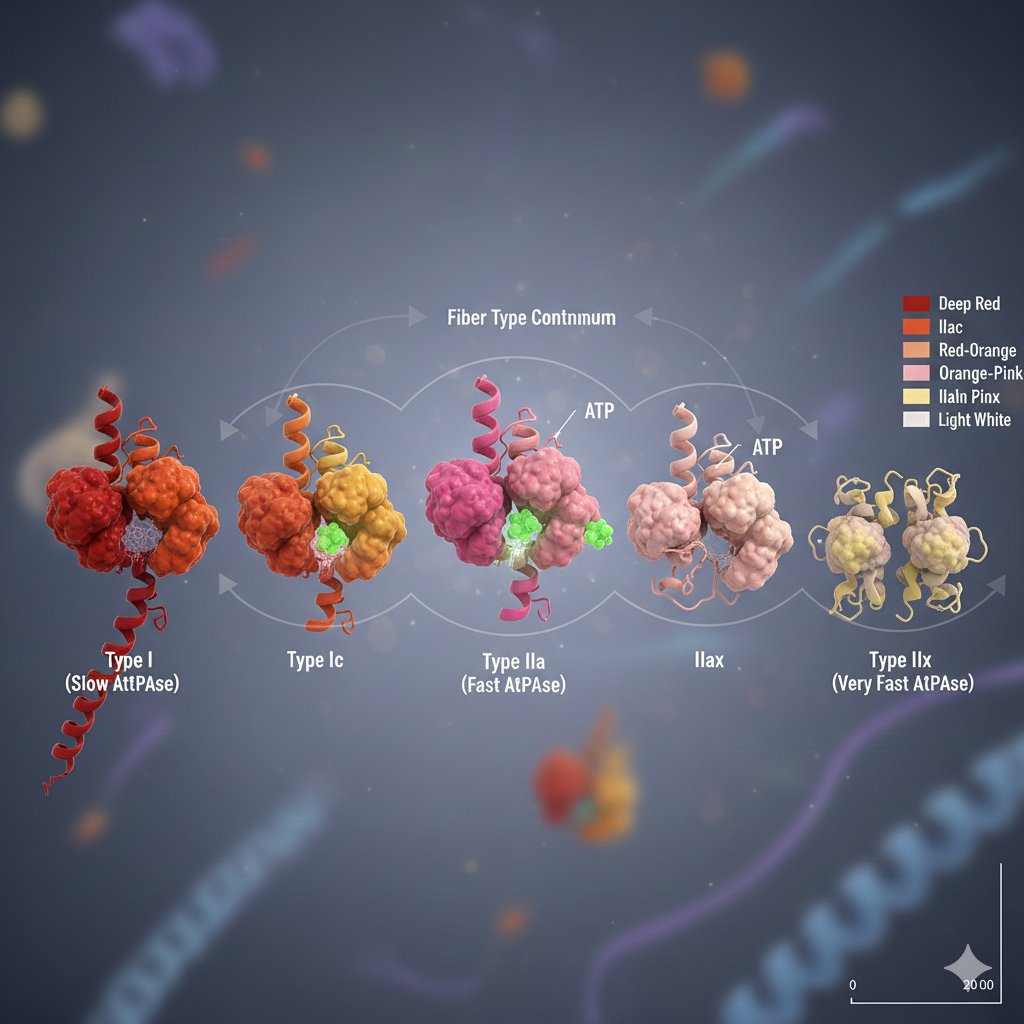
Muscle fiber type is determined by an enzyme called Myosin ATPase, which dictates how fast a muscle can contract. Rather than just two types, researchers have identified a continuum of six primary variations:
I —> Ic —> IIac —> IIa —> IIax —> IIx
| Type | Speed | Force | Fatigue Resistance | Main Energy System |
|---|---|---|---|---|
| I | Slow | Low | Highest | Aerobic |
| Ic | Slow | Low | High | Aerobic + Glycolysis |
| IIac | Moderate | Moderate | Moderate | Equal Mix |
| IIa | Fast | High | Low | Glycolysis / Phosphagen |
| IIax | Rapid | Very High | Very Low | Phosphagen / Glycolysis |
| IIx | Quickest | Very High | None | Phosphagen |
Detailed Breakdown
- I (Endurance Dominant): The smallest fibers. They have the greatest capacity for aerobic metabolism but generate low force. Most resilient to fatigue. (Long distance runners/cyclists).
- Ic: Small fibers. Primarily aerobic but with moderate capacity for glycolysis. Less resilient than Type I.
- IIac (Hybrid): Equal capacity for aerobic metabolism and glycolysis. Moderate speed, force, and hypertrophy.
- IIa (Power & Strength Dominant): Rely primarily on glycolysis. High capacity for hypertrophy but fatigue relatively quickly. (Weightlifters/Powerlifters).
- IIax: Rely on phosphagen system. Rapid contraction and very high force, but fatigue very quickly.
- IIx (Default Reservoir): The quickest fibers with virtually no fatigue resilience. Found in sedentary individuals; training causes them to shift toward IIax and IIa.
Why This Matters for Athletes and Coaches
Type of training determines the direction of shifts along the fiber type continuum. This influences the set of skills an athlete carries into their sport.

Needs explosive force for jumping and sprinting, but must remain fatigue resilient for the whole game.
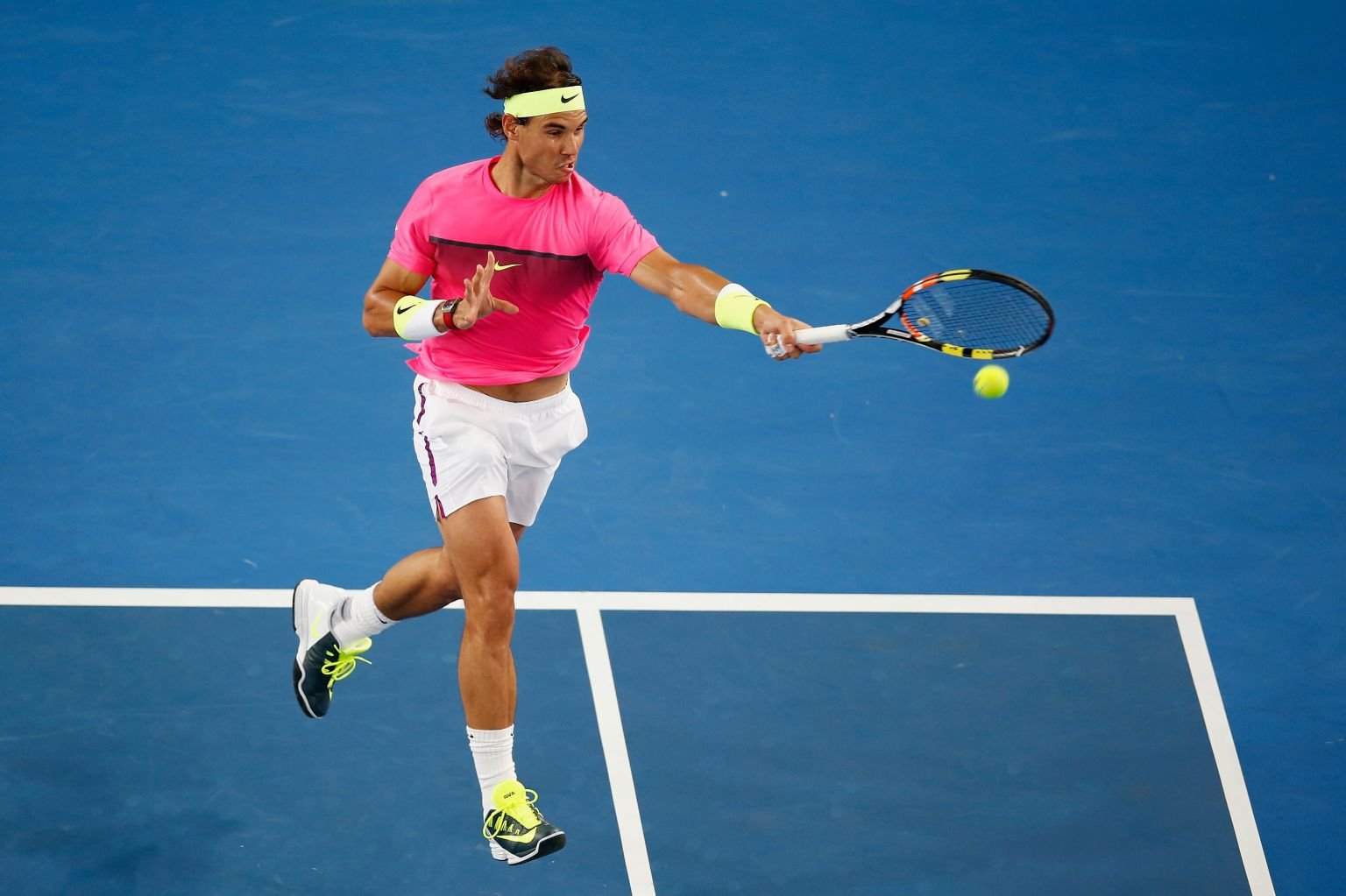
Needs moderate explosive power but extreme fatigue resilience for matches lasting several hours.

Needs high capacity for explosive force with moderate fatigue resilience for intermittent intervals.
If we only had "slow/weak" and "fast/tired" fibers, the nuanced movements of sports would be impossible. Understanding this continuum allows us to adjust intensity, duration, work/rest periods, reps, and tempo to stimulate the ideal fiber ratio for your sport.