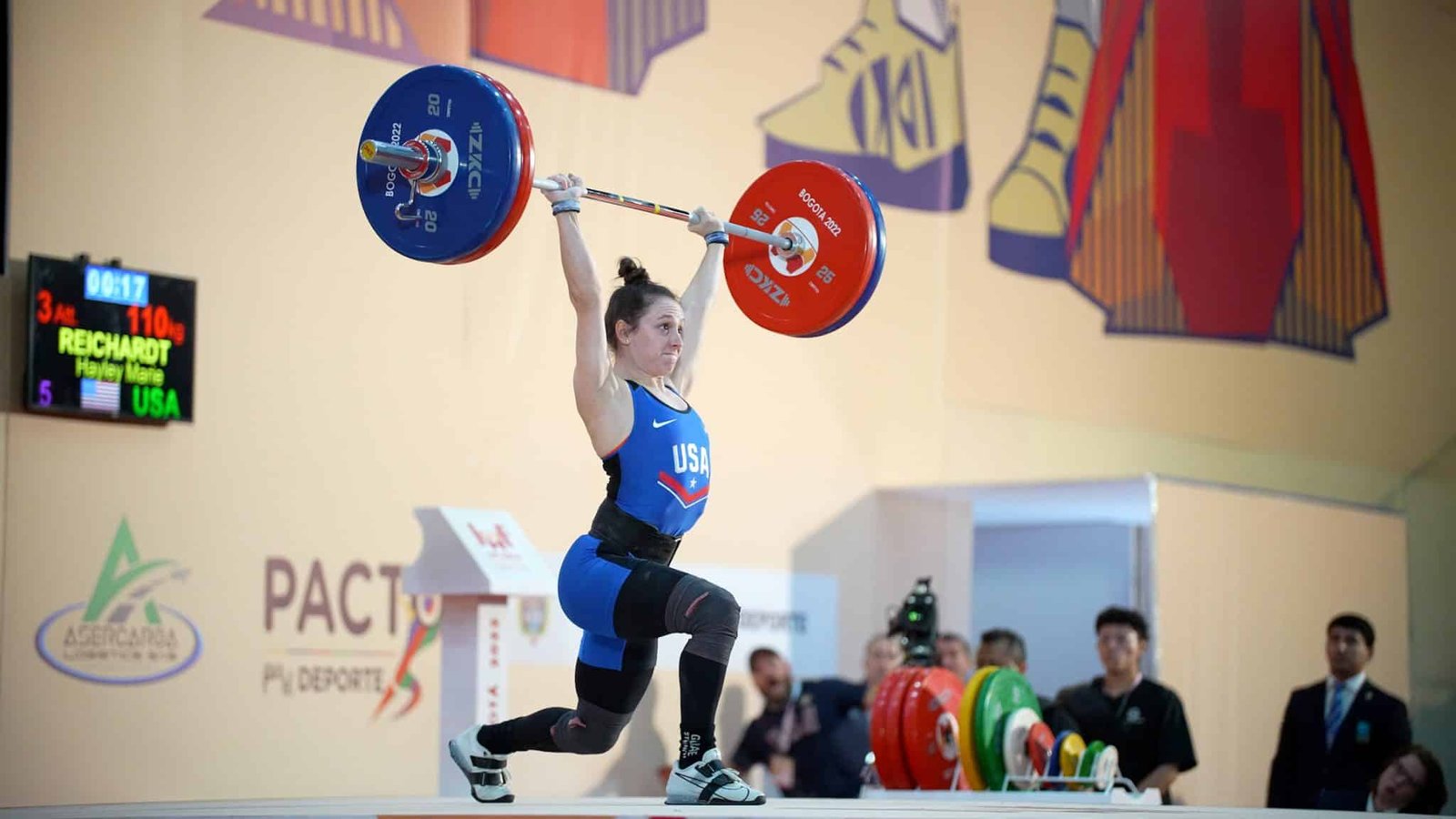
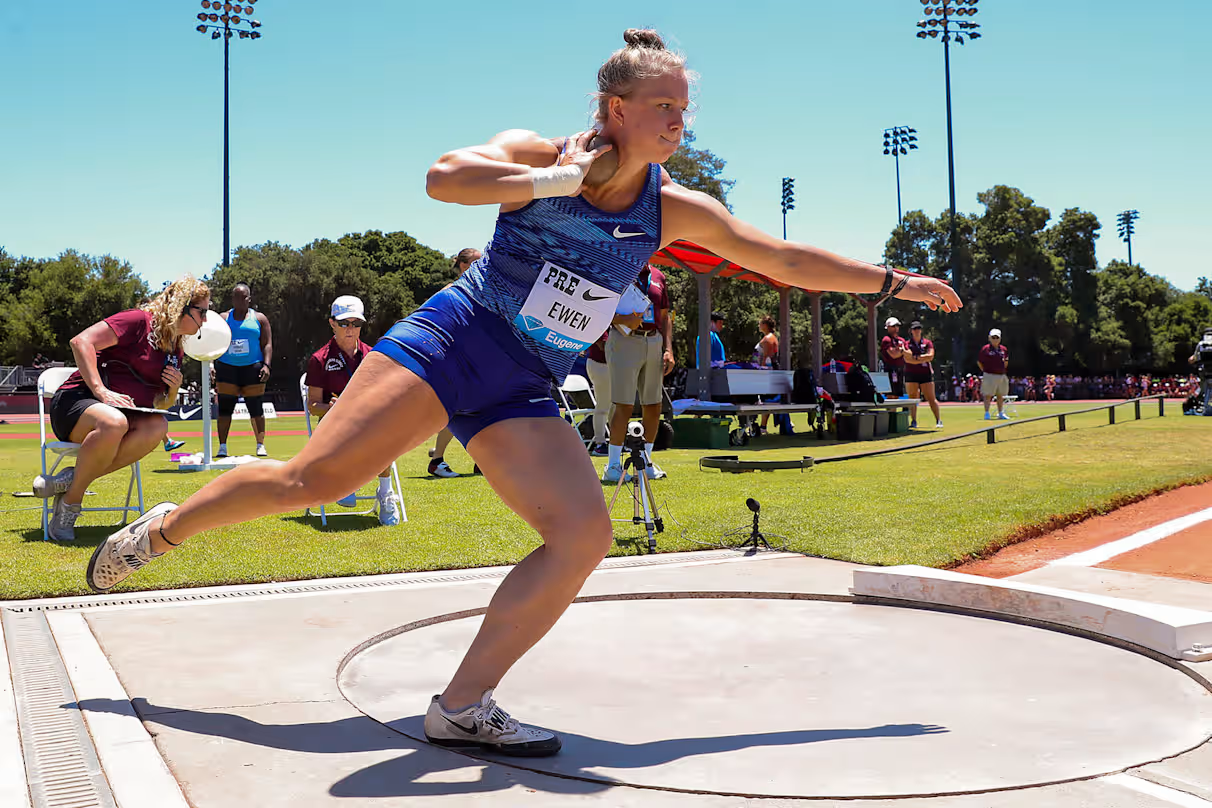
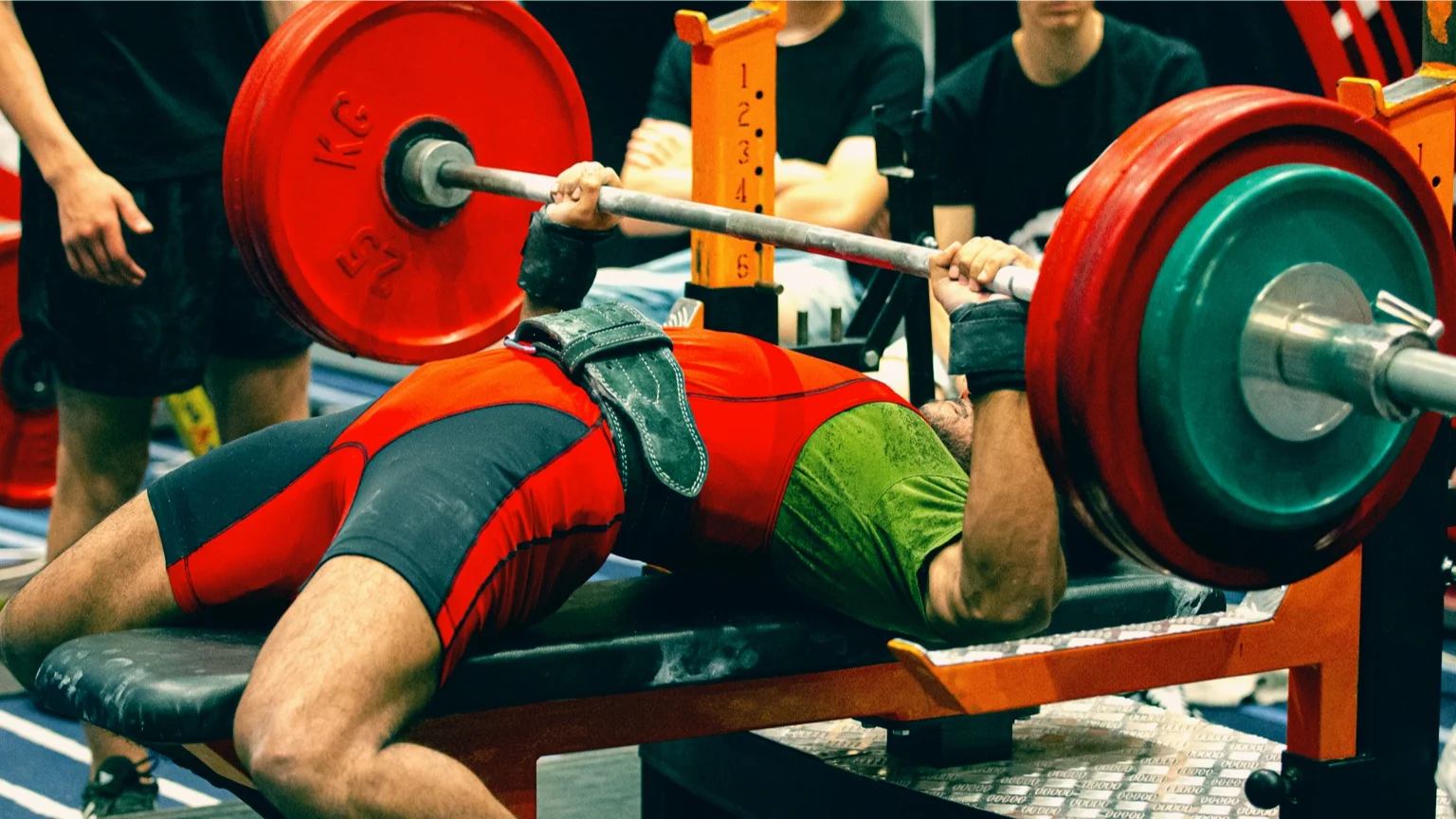
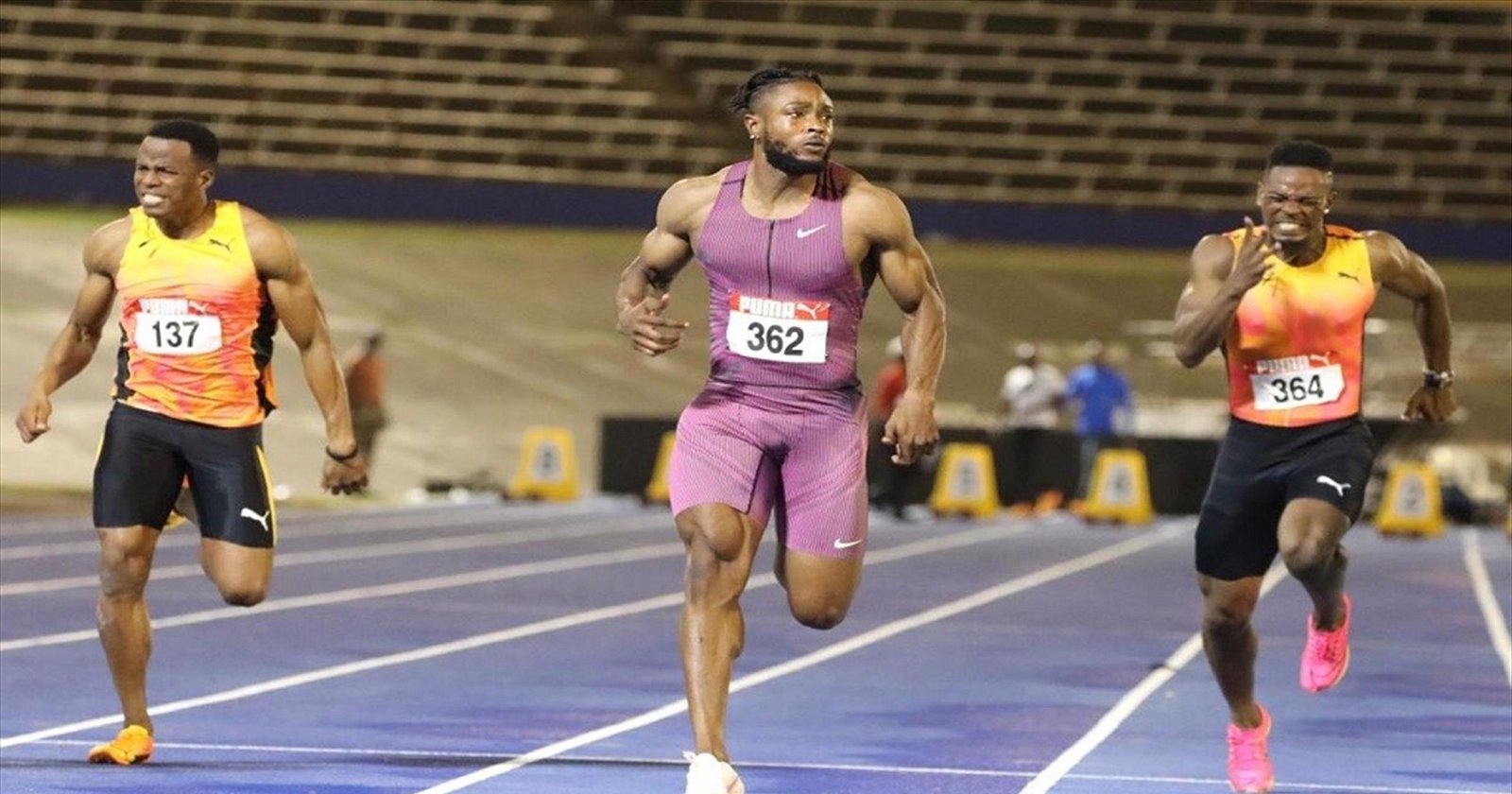
Our bodies convert chemical energy stored in food into biologically available form of energy through three distinct metabolic pathways. We can refer to these pathways as three different „engines“. The relative contribution of each engine to energy production depends on what we are doing at the moment, since they differ in efficiency and are designed to provide energy at different rates. If you want to learn more about these engines and which type of training requires which engine readthis article. Now, lets find out what type of fuel each of these engines require and what strategic pre workout nutrition hacks can you take in order to maximise the effectiveness of the engine you need based on your training type.
PRE and post WORKOUT NUTRITION & SUPPLEMENTATION FOR PHOSPHAGEN ENGINE
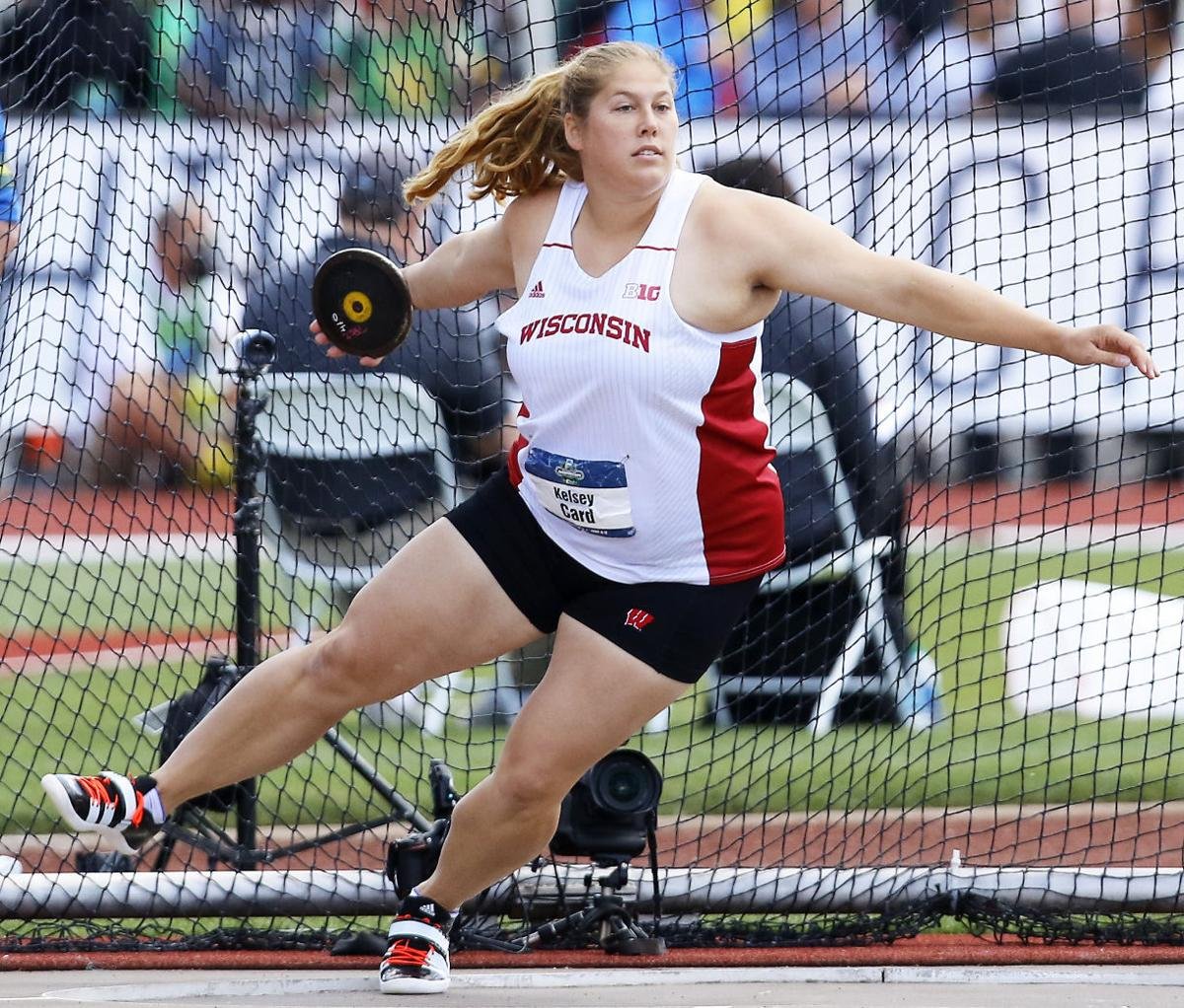
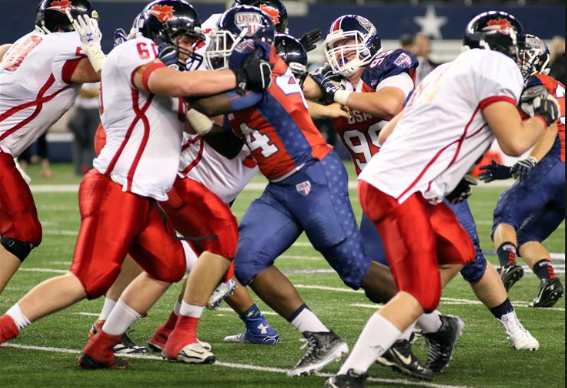
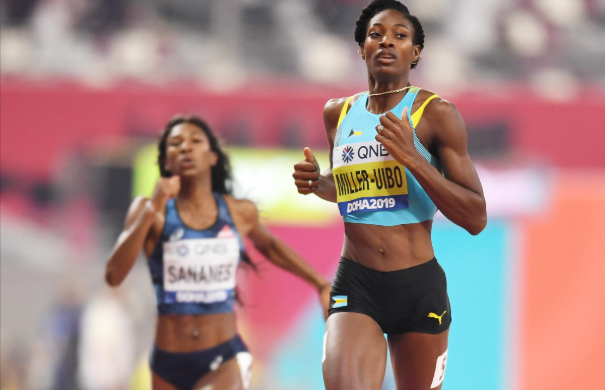
Activity types: Weightlifting, Powerliftng, 100m sprint, Shot put, Discus throw, High jump…
Why?
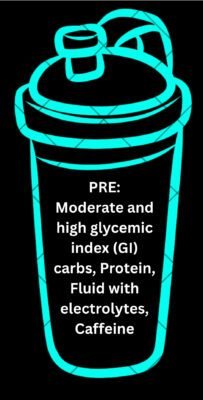
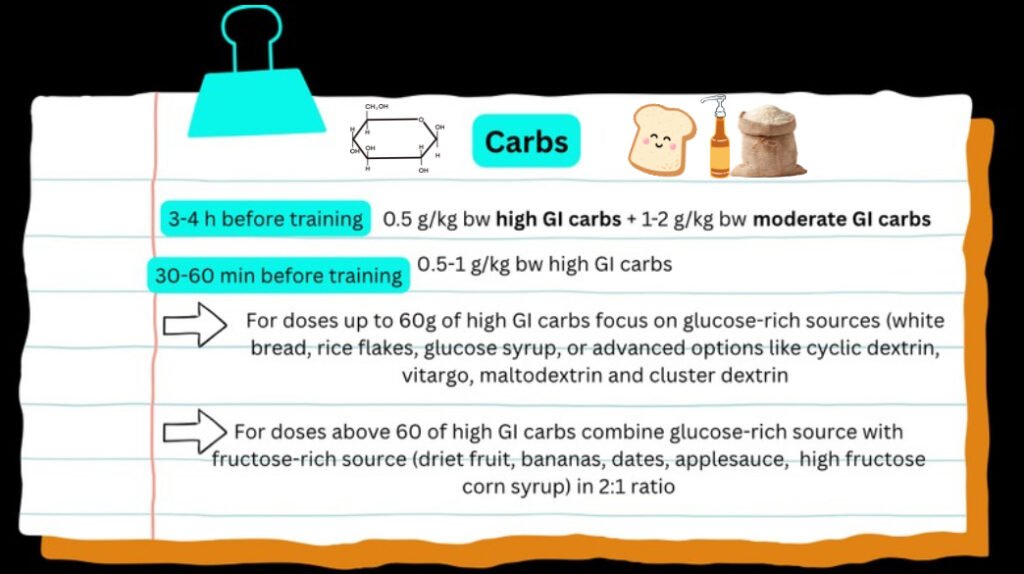
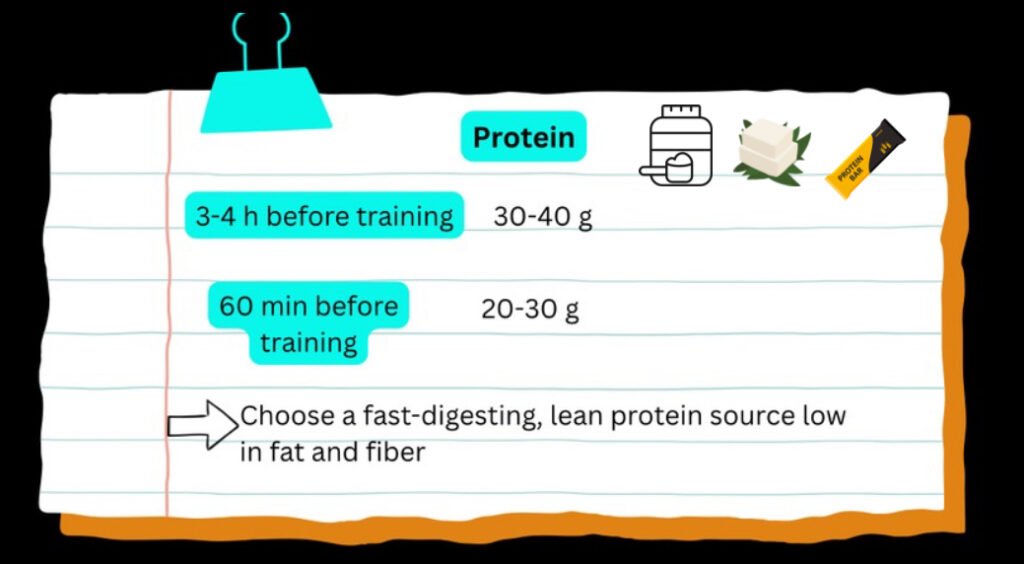
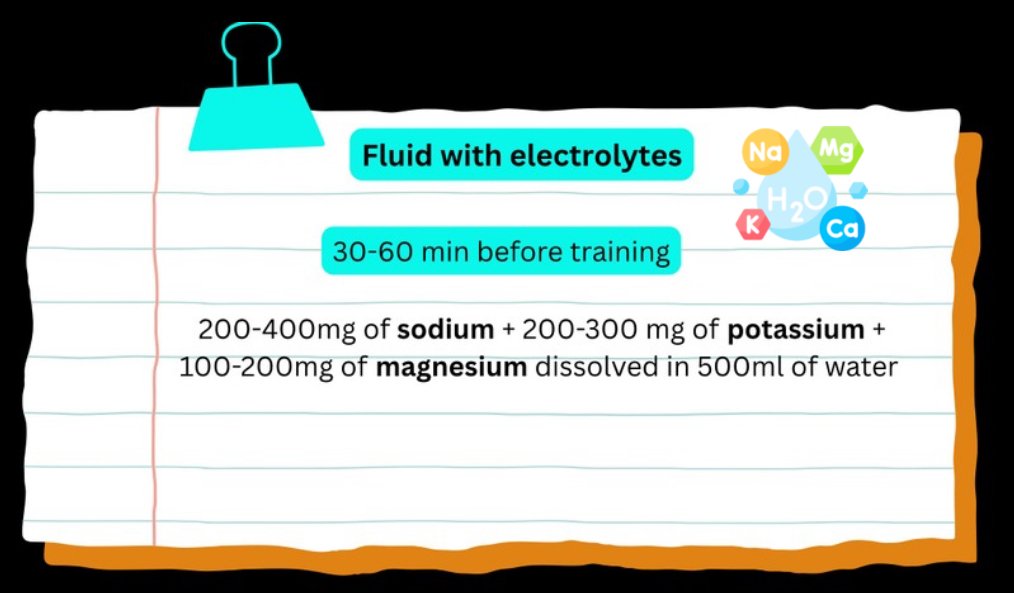
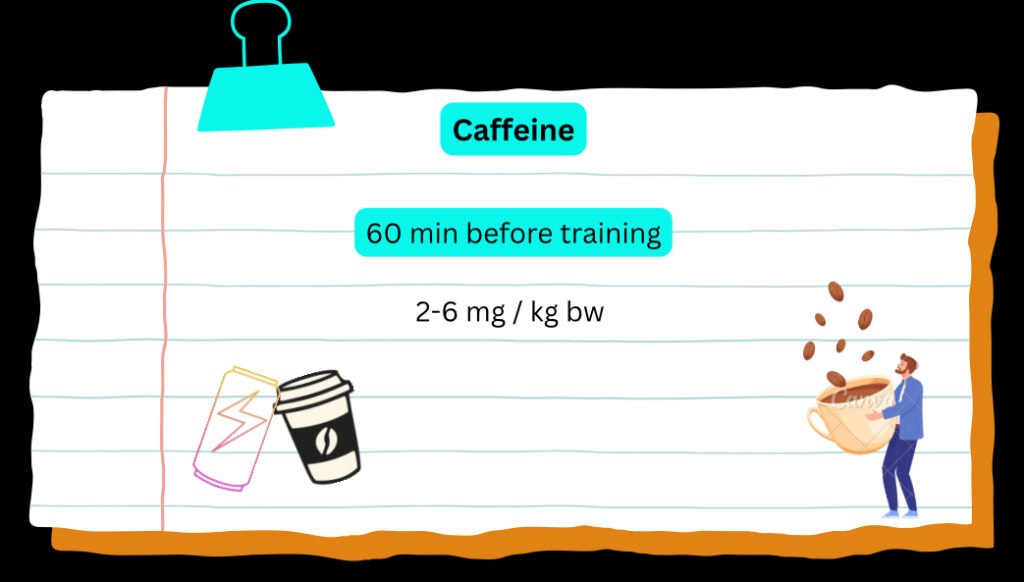
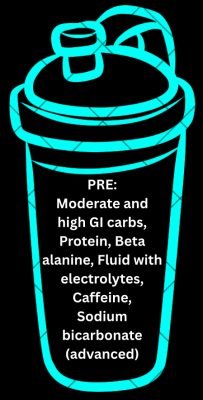
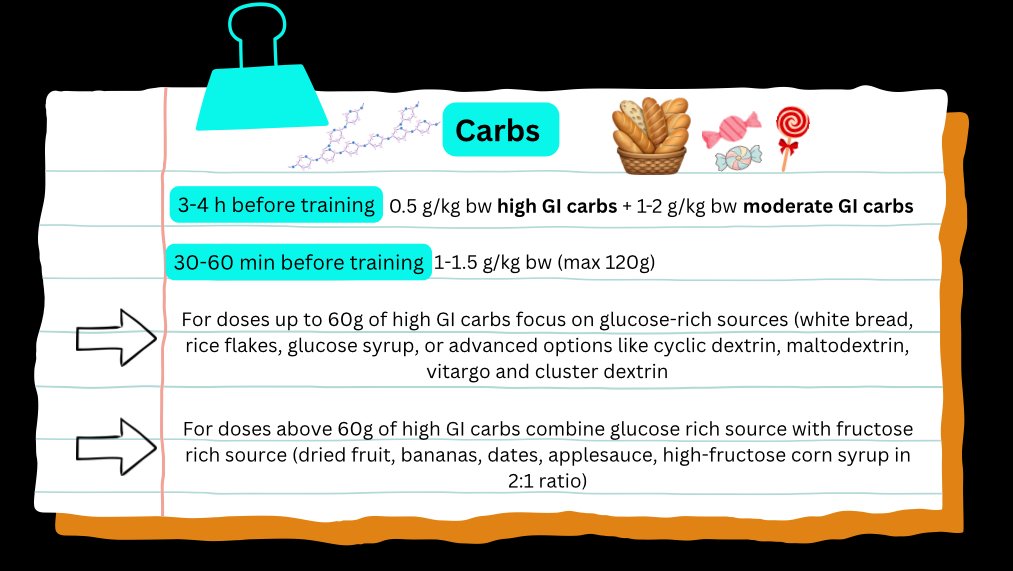
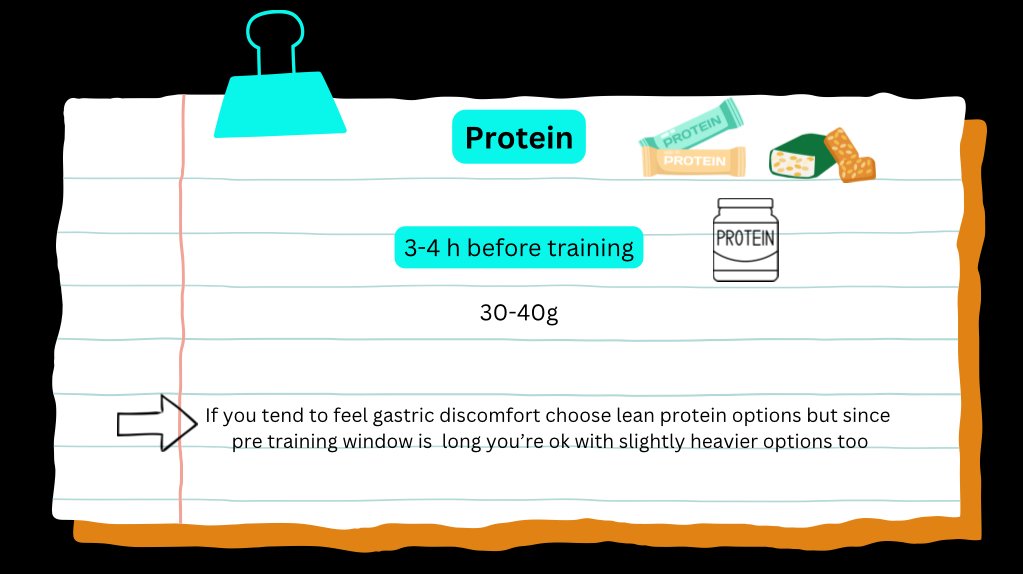
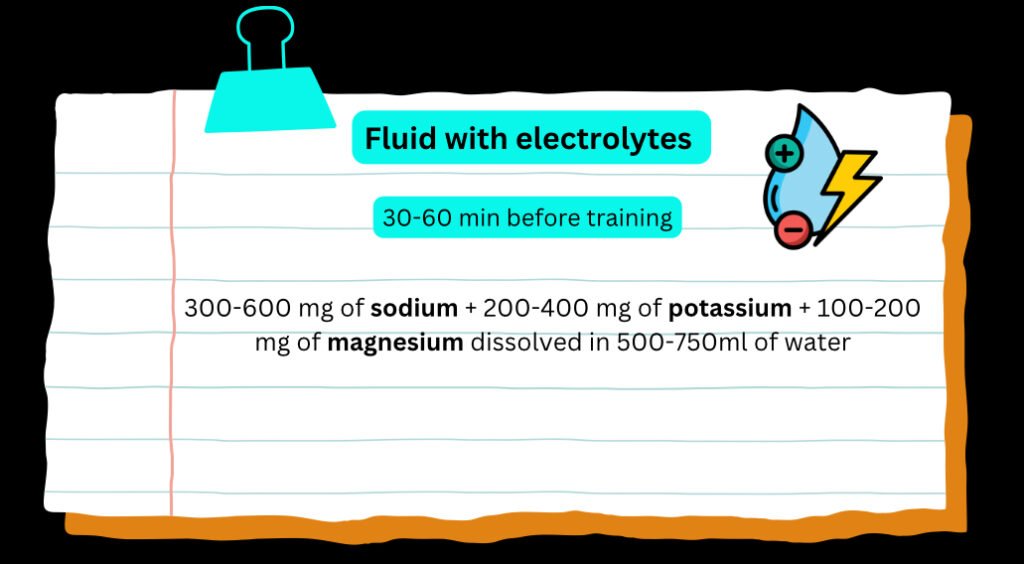
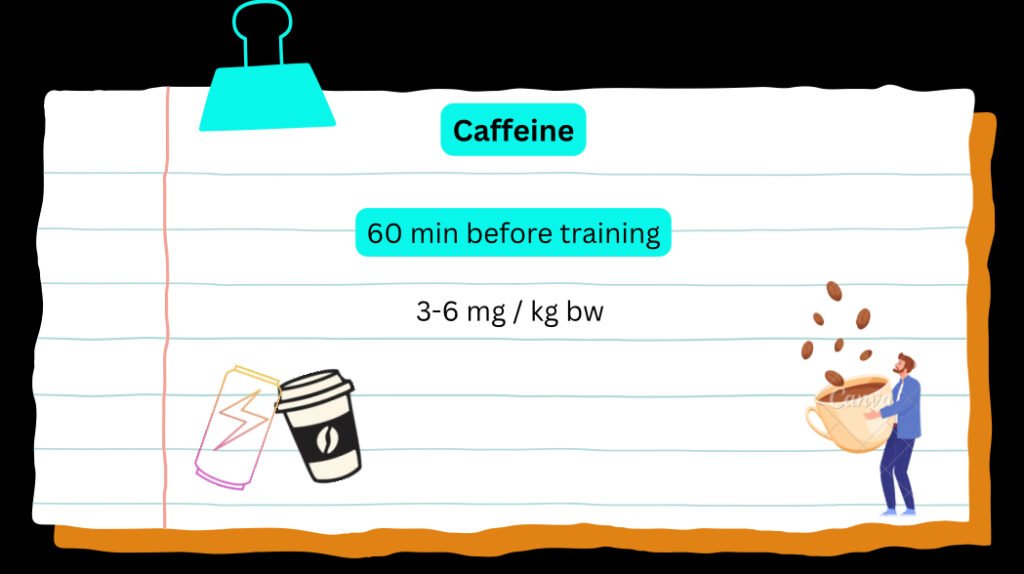
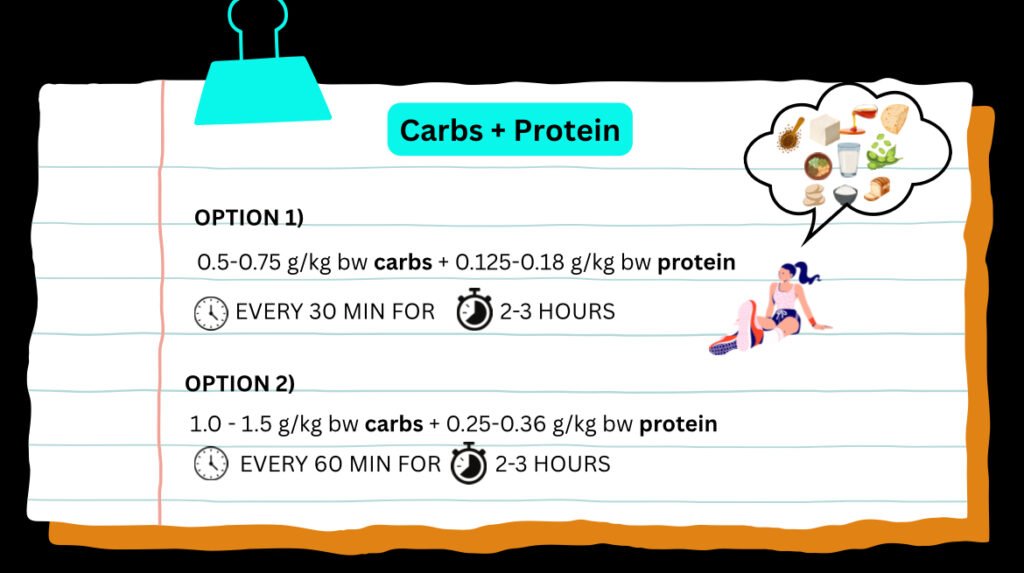
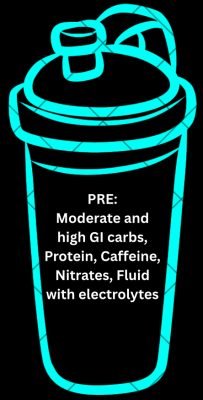
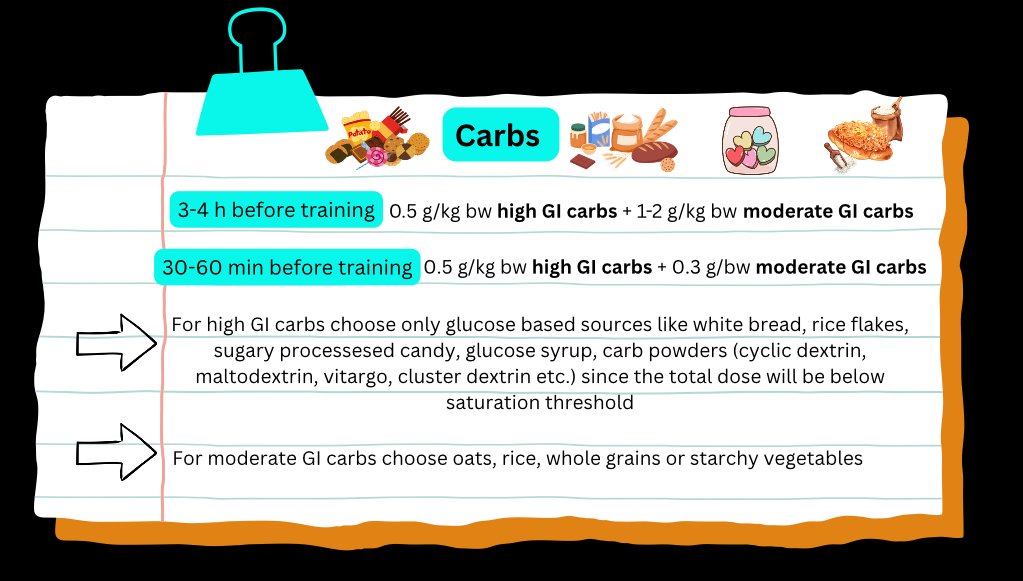
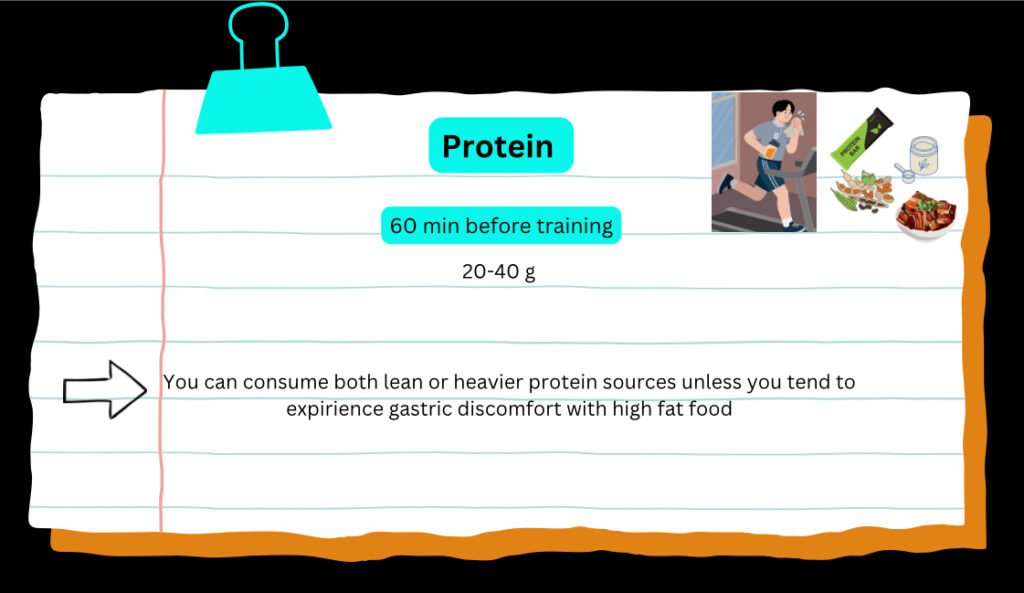
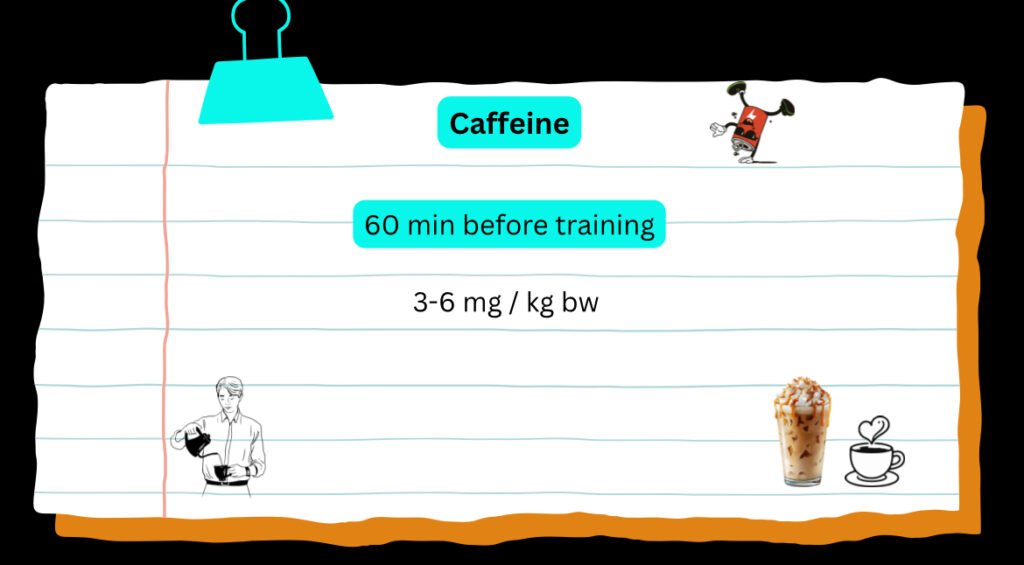
Even though creatine phosphate is the primary fuel for this engine, the capacity of our muscles to store it is about 10 times less than that of glucose. Additionally, one molecule of creatine phosphate produces 2–3 times less energy than one molecule of glucose. For these reasons, our muscles burn through creatine phosphate in roughly 10 seconds. After each set, it must be resynthesized during rest periods. This resynthesis requires energy, which can come from glucose stored in the muscle (glycogen) or glucose circulating in the blood. Consuming moderate-GI carbohydrates several hours before training ensures muscle glycogen levels are saturated, while high-GI carbohydrates increase blood glucose immediately before training, sparing muscle glycogen from depletion which subsequently allows us to train for a longer time. Elevated blood glucose also stimulates insulin, an anabolic hormone that supports muscle growth. Addition of protein to carbs before training ensures amino acids are available to repair and rebuild muscles during exercise. Electrolytes support plasma volume and neuromuscular function during fatigue and dehydration. Caffeine improves mood and arousal while reducing perceived effort and pain.
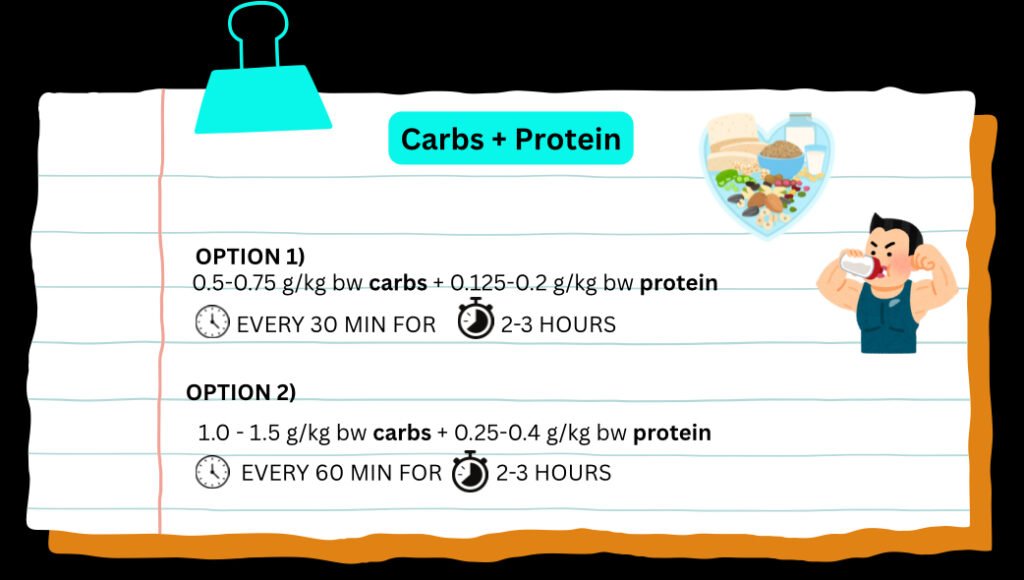
Dosages (pre workout)
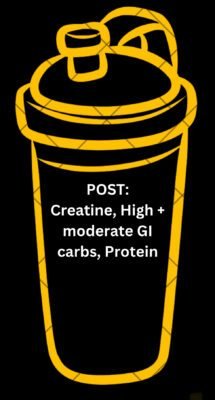
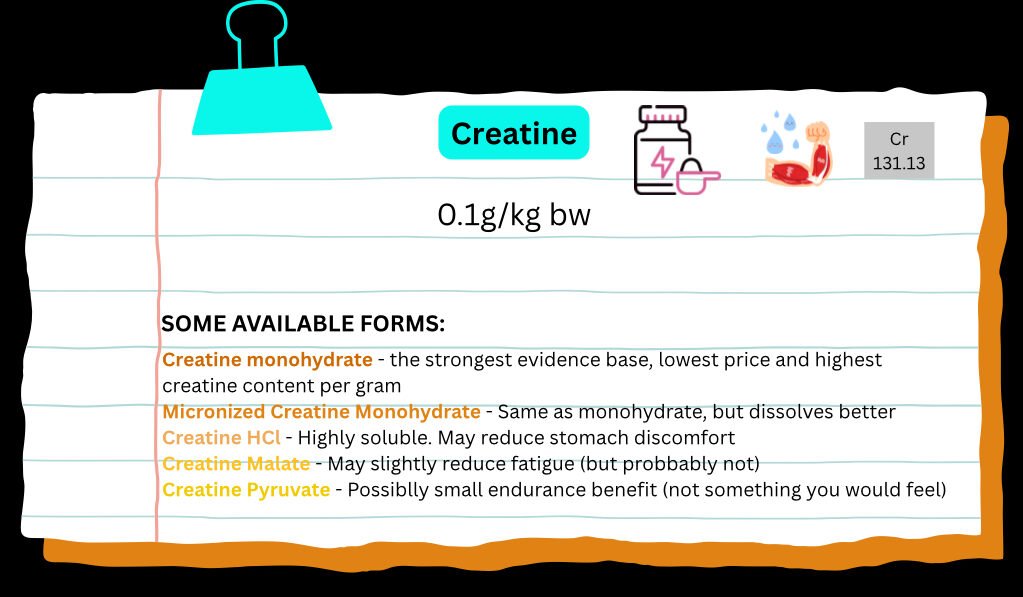
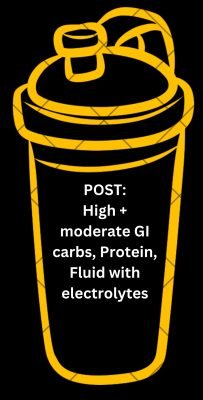
After training, blood flow to muscles is elevated and this is when we want to consume creatine to maximise its absorption. This will eventually lead to increased muscle phosphocreatine storage, since it takes a few weeks for exogenous creatine to be converted into phosphocreatine and stored within the muscle. A combination of high- and moderate-GI carbohydrates after training ensures continuous energy availability for muscle repair and recovery, while protein provides the building blocks (amino acids).
Dosages (post workout)
PRE and post WORKOUT NUTRITION & SUPPLEMENTATION FOR GLYCOLYTIC ENGINE
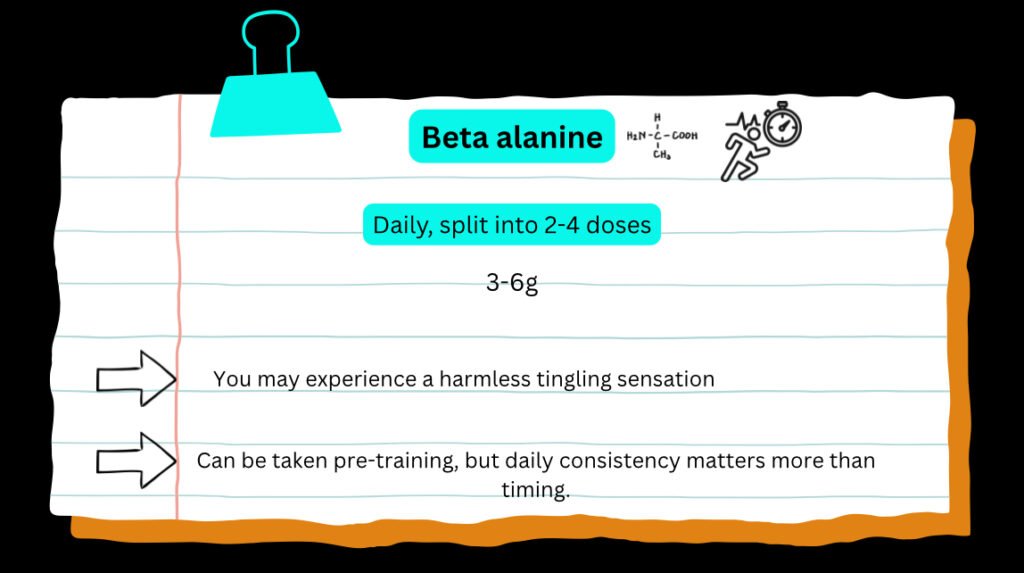
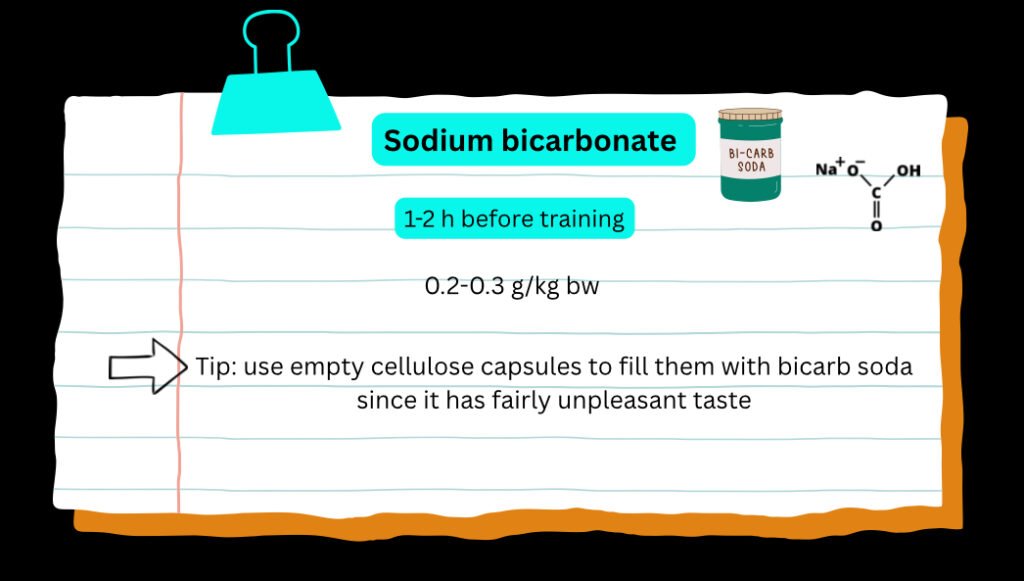
This engine is fueled entirely by glucose, so we want to make sure muscle glycogen (stored glucose) levels are fully saturated before training,, with plenty of extra fuel in the form of glucose circulating in the blood. We will use the same strategy as we did with phosphagen engine – consuming moderate GI carbs several hours before training and high GI carbs immediately before. However, since this engine requires even more carbs than the phosphagen engine, we will increase the dose of high GI carbs in order to maximally raise blood glucose levels which will provide us with exogenous carbs when our stored fuel in the form of muscle and liver glycogen runs out. Protein will help to reverse muscle damage by providing our body with material for muscle repair as well as to reduce the rate of that damage by providing us with alternative fuel source, so our body doesn’t eventually start breaking down its own muscle for fuel. Beta alanine will increase the capacity of our muscles to buffer hydrogen (H+) ions, which tend to accumulate whit this type of activity. These hydrogen ions cause fatigue we often recognize as „the muscle burn“ as well as reduce the activity of the glycolytic engine. Electrolytes will help keep hydration levels optimal since less fluid and minerals will be lost through sweat. Caffeine won’t directly affect our engine but will improve arousal and mood and help mitigate fatigue. Sodium bicarbonate can help buffer hydrogen ions in the blood, making it easier for hydrogen ions to move out of the muscles. This helps reduce fatigue and improves the effectiveness of the glycolytic engine. However, high sodium intake can cause gastric discomfort, and elevated blood sodium may increase blood pressure and interfere with neural signaling to the muscles.
Dosages (pre workout)
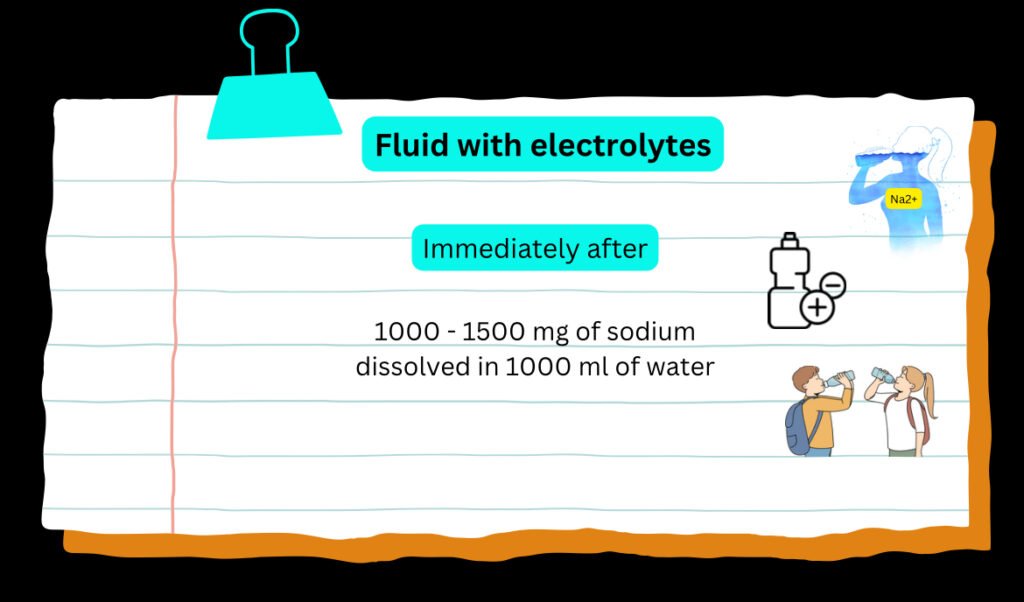
After training, the combination of high + moderate GI carbs will ensure sustained energy for the processes of muscle repair, cooling the body, refilling glycogen stores, clearing metabolic byproducts etc. while protein will provide necessary material for the repair of muscle and other damaged bodily tissues. Since sweating will usually be high during these types of activities, post workout electrolytes may be needed to further aid in restoring plasma volume and lost minerals.
Dosages (post workout)
PRE and post WORKOUT NUTRITION & SUPPLEMENTATION FOR AEROBIC ENGINE
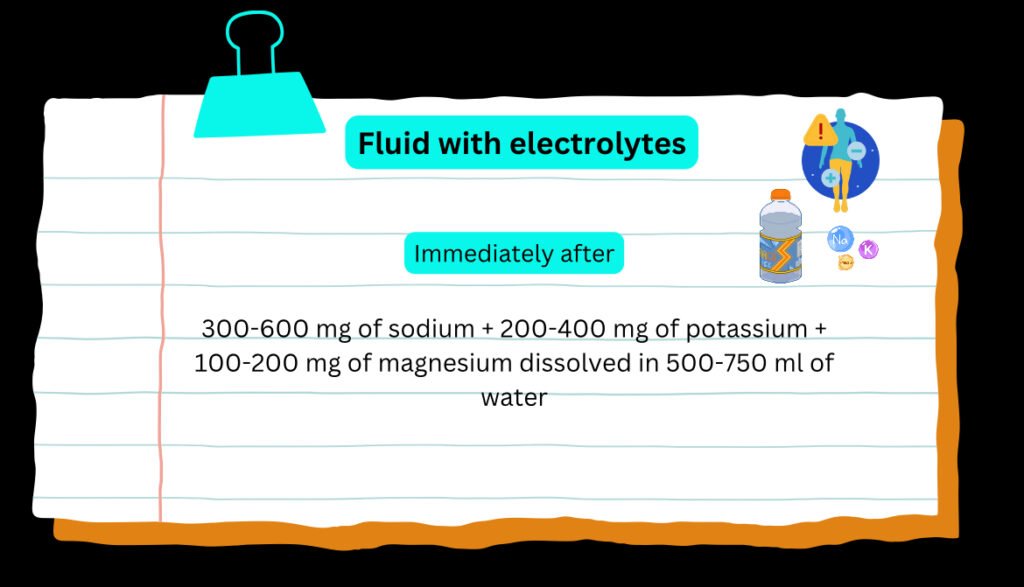
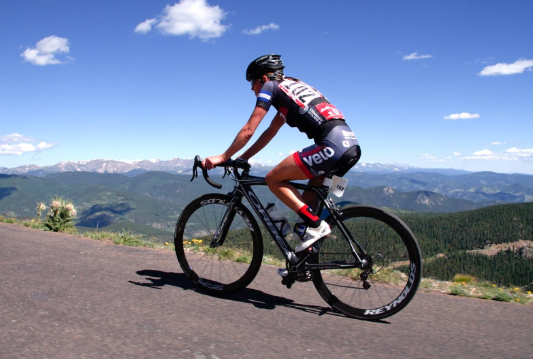
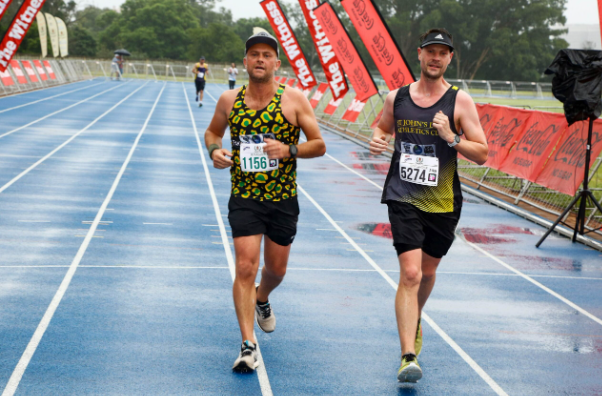
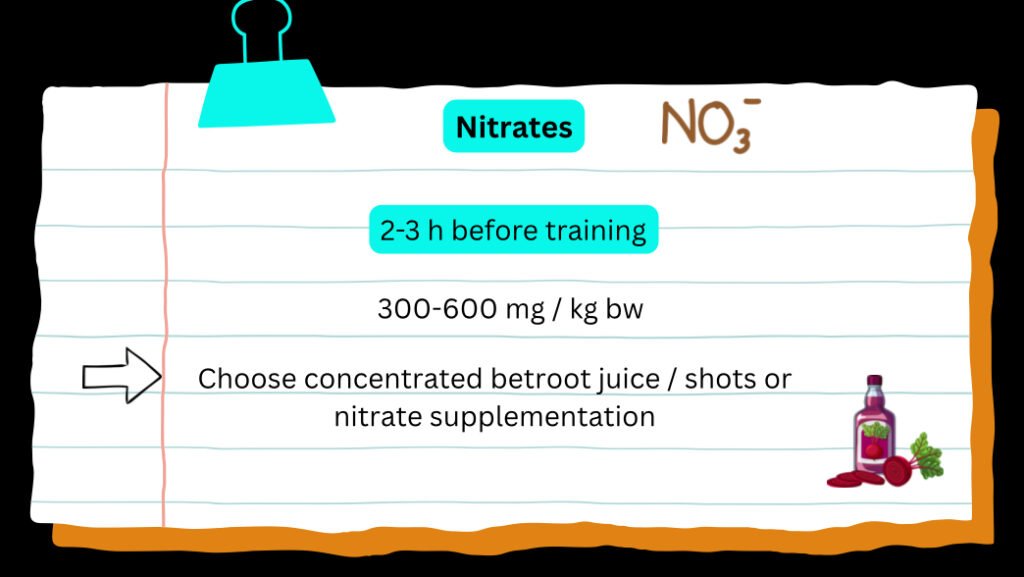
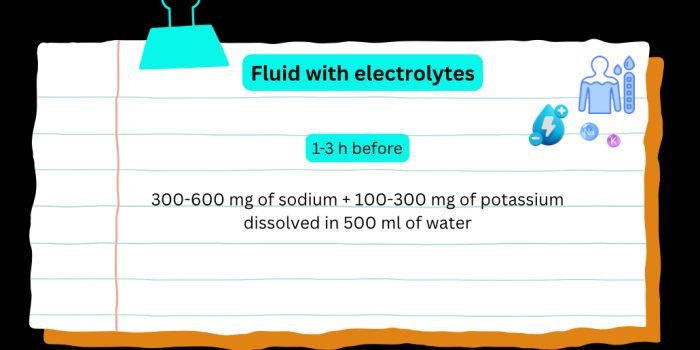
This engine is fueled mostly by glucose, but can also use fat as a fuel. Unlike the other two, which are anaerobic, meaning they don’t require oxygen, this engine needs oxygen to function. It is 7x more efficient at producing energy from glucose than the glycolytic engine and fat itself is almost 10x more efficient energy source than glucose. This means it takes a long time to burn through available fuel using this engine. However, it is because this engine can continuously work hard for several hours that we have to strategically fill up the tank and bring some reservoirs with us so we can make it through the whole duration of the trip. Consuming a combination of high and moderate GI carbs will provide us with moderate steady blood glucose levels, so we can slowly burn through our fuel. Addition of protein pre workout will help reduce muscle breakdown, which can be very high during long duration aerobic activity, by providing amino acids necessary for muscle repair. Protein also provides us with an alternative fuel source if our glycogen/glucose becomes depleted, so our body doesn’t break down it’s own muscle to use it as a fuel. Except for improving mood and decreasing stamina, caffeine actually has a direct effect on this engine. It encourages the body to mobilize our fat tissue and burn a slightly higher percentage of fat stored in our body for fuel. This spares liver and muscle glycogen, aka. sparing precious fuel for those long hours. Nitrates improve the effectiveness of aerobic engine, not in the terms of fuel, but in the terms of oxygen. They reduce this engine’s oxygen demand, thereby enabling us to keep doing the same work with less oxygen. Fluid with electrolytes will optimize pre-workout hydration level by stimulating fluid retention, since we want to start exercise with high volume of water inside our blood.
Dosages (prre workout)
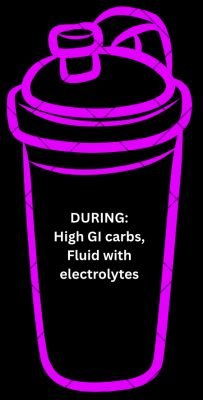
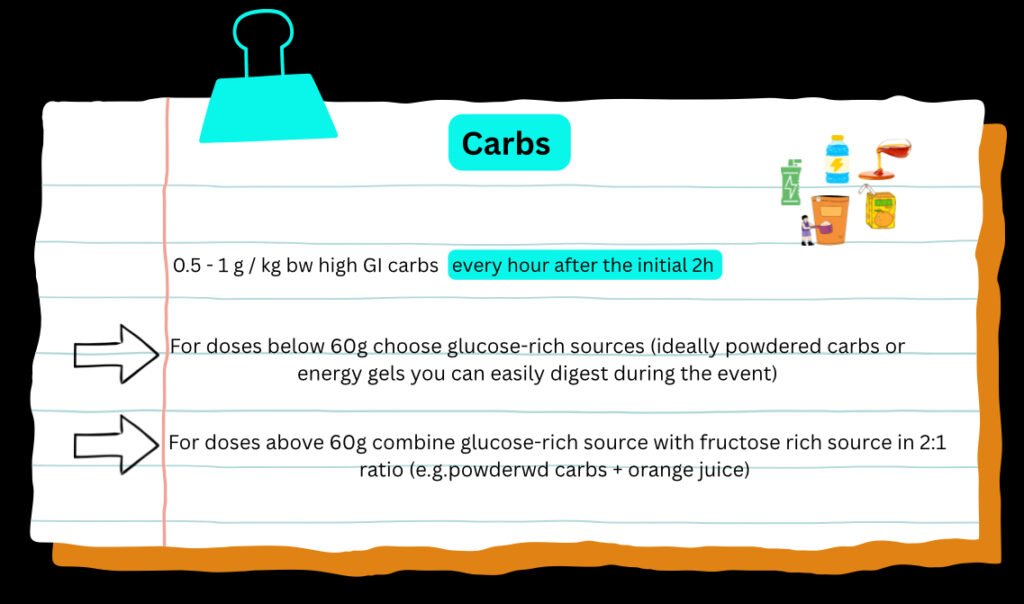
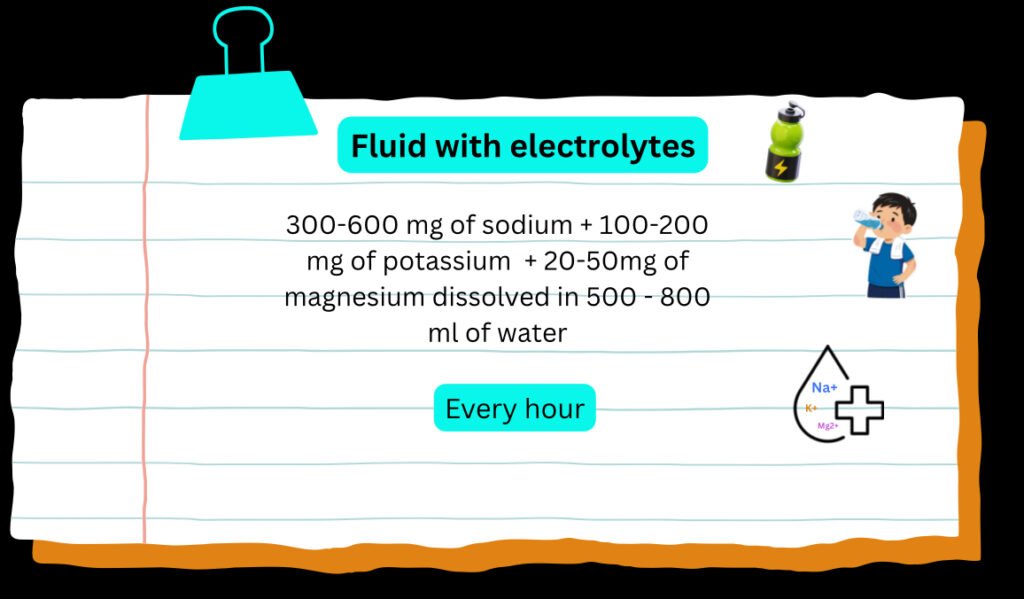
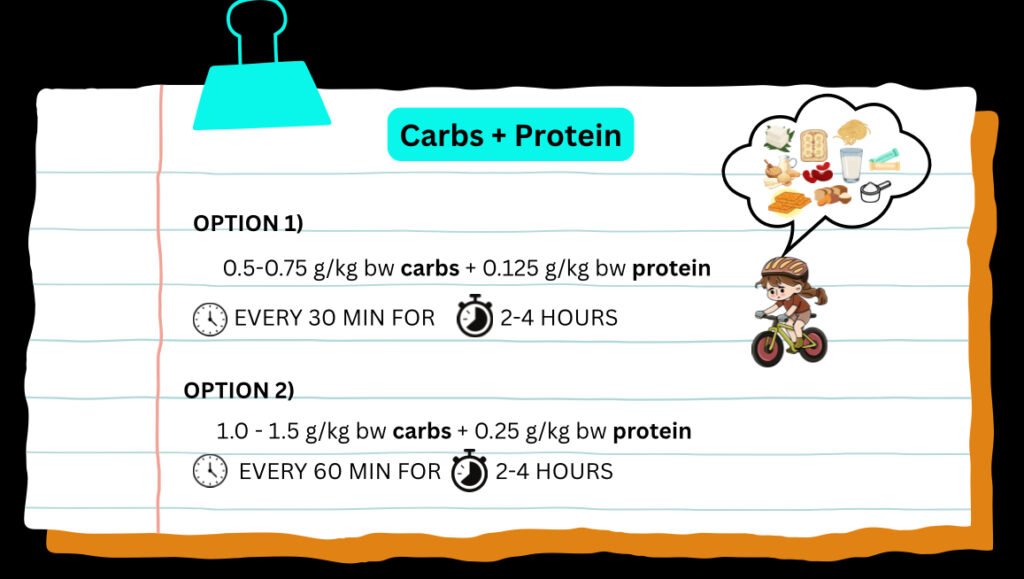
For aerobic activities that last for more than 2 hours you’ll need some intra-workout carbs to prevent you from running out of fuel and hitting that familiar wall. Also electrolytes because you will be loosing a lot of minerals through sweat.
dosages (intra workout)
After you’re done with aerobic training session you want to start filing up fuel tanks you have used up for which you need both high and low GI carbs, keep replenishing minerals and fluids that you have lost for which you need electrolytes and to provide a material for rebuilding muscle and connective tissue which will be protein.
Ivy, J. L., & Ferguson-Stegall, L. (2013). Regulation of muscle glycogen repletion, muscle protein synthesis and repair following exercise. Journal of Sports Science & Medicine, 3(3), 131–138.
PMC3905295
Jäger, R., Kerksick, C. M., Campbell, B. I., et al. (2017). International Society of Sports Nutrition Position Stand: protein and exercise. Journal of the International Society of Sports Nutrition, 14(20).
https://doi.org/10.1186/s12970-017-0177-8
Senefeld, J. W., Wiggins, C. C., Regimbal, R. J., et al. (2020). Dietary nitrate supplementation and exercise performance: An umbrella review. Nutrients, 12(4), 1034.
https://doi.org/10.3390/nu12041034
Stecker, R. A., Harty, P. S., Jagim, A. R., et al. (2019). Timing of ergogenic aids and micronutrients on muscle and exercise performance. JISSN, 16(1), 37.
https://doi.org/10.1186/s12970-019-0304-9
Tiller, N. B., Roberts, J. D., Beasley, L., et al. (2019). ISSN Position Stand: nutritional considerations for single-stage ultra-marathon. JISSN, 16(1), 50.
PMC6628334
Vitale, K., & Getzin, A. (2019). Nutrition and supplement update for the endurance athlete: Review and recommendations. Nutrients, 11(6), 1289.
https://doi.org/10.3390/nu11061289