How to Choose the Best Training Method for You | Fitness Coaching Insights
With the fitness industry booming in popularity, there are countless voices sharing advice on exercise selection and training protocols. Many of them sound convincing, passionately arguing their points — even though their claims often contradict one another. As a result, we see the rise of like-minded groups of coaches, athletes, and recreational trainees who, in defending their preferred approach, tend to radicalize their views.
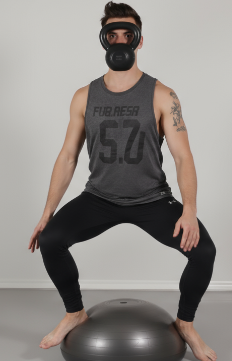
This is how we get things like single leg BOSU ball balancing while holding a dumbbell on your nose — all in the name of “functional training.”
The Ultimate Secret to a Successful Training Program
The truth is: there is no single perfect training program. Exercise is an umbrella term for many different types of physical activities ranging from jogging, to biking and rowing, to hurdle running and plyometrics, to high-rep, low-resistance CrossFit-style workouts, to bodybuilding, to low-rep, high-resistance power or strength training. Training, in turn, is the process of developing a specific skill or eliciting a specific adaptation.
In simpler terms: We use different exercises, each stimulating one aspect of the skill or adaptation we’re trying to develop, and we combine them into a training process that targets our desired goals.
Understanding Exercise Variables and Adaptation
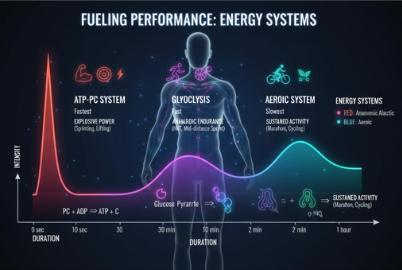

Two factors determine how exercise influences our body:
- Energy production
- Receptors sensing tension in muscles and connective tissues
These two determine which and how much endocrine adaptations will be stimulated, how the CNS adapts, what type of hypertrophy occurs, how muscle architecture changes, and how much the respiratory and cardiovascular systems improve. By understanding how different movements affect these mechanisms, and connecting each with the specific adaptation they trigger, we can precisely direct the training process toward our goals.
Exercise and training variables that we manipulate include: the amount of muscle and connective tissue involved, type and distribution of resistance, duration, speed, and velocity of the movement, number of reps and sets, intensity, and rest duration between sets.
Every single training protocol stimulates some adaptation, and it is our goals and abilities that determine what works best for us.
A good fitness coach integrates these elements with precision and creativity — because, in the end, training is an art, and a good coach is its artist.